
Congratulations to all the winners, and finalists, in this year’s ATTA® for Action Awards.
Winners were announced at Experience Africa in London on 22 June 2026. This year’s awards received an outstanding response, and sincere thanks go to everyone who took the time to submit an entry. Appreciation is also extended to the panel of dedicated judges, who generously shared of their time and expertise in reviewing the submissions.
While every initiative working towards positive change deserves recognition, the selected finalists and ultimate winners stood out for the clarity, credibility and impact of their actions.
The ATTA® Purpose & People Award recognises an organisation that demonstrates exceptional leadership in heritage-focused African tourism, and creates a corporate culture of community, empowerment and inclusivity within their internal teams.
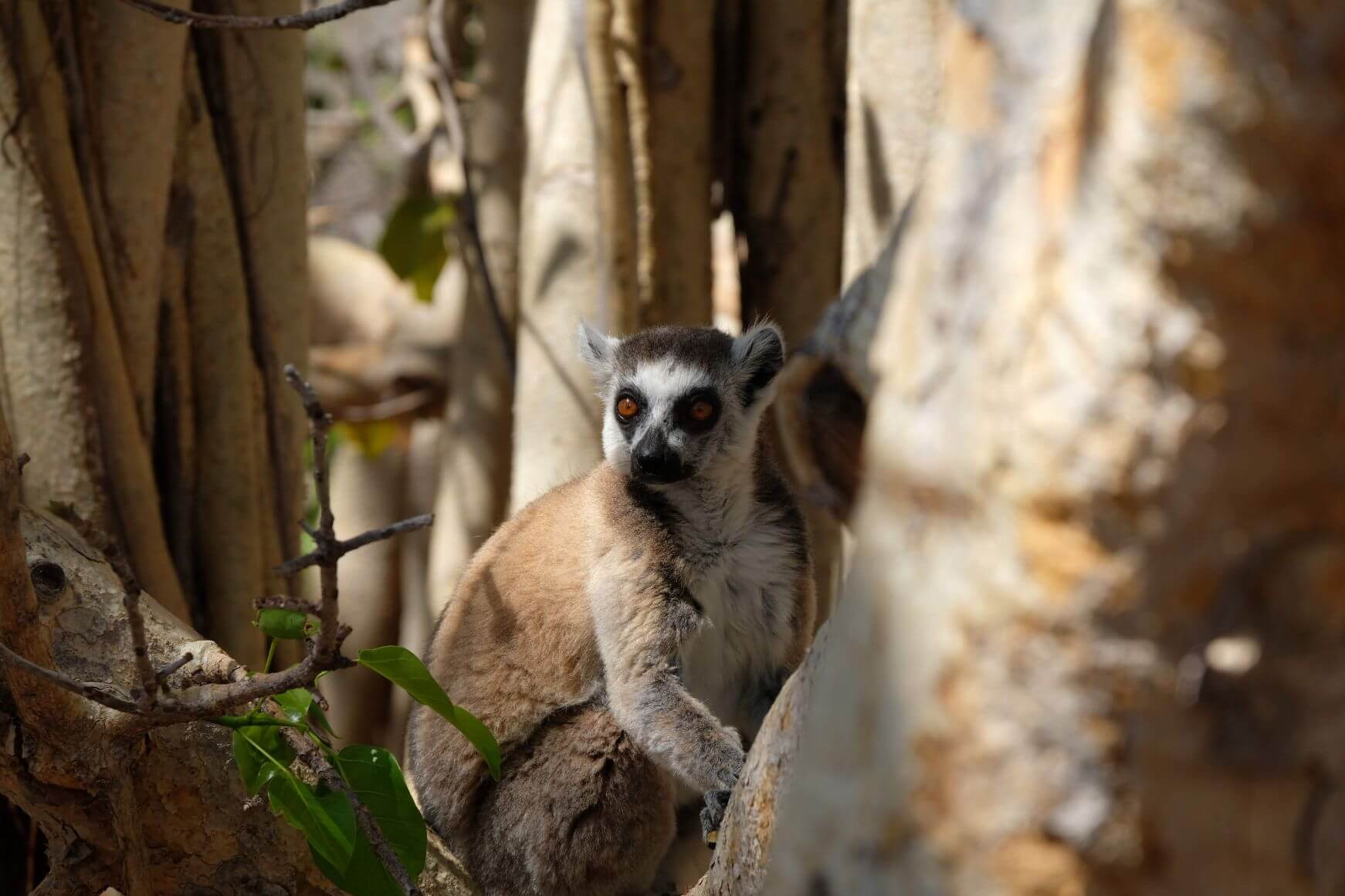
TAMÀNA designs distinctive and responsible travel experiences across Madagascar, celebrating the island’s cultural richness and extraordinary biodiversity. Their mission is to ensure that tourism uplifts communities, protects fragile ecosystems, and fosters education, while promoting transparency, ethical practices, and measurable positive change. Since February 2026, TAMÀNA has been officially Travelife Certified, meeting rigorous international sustainability standards. TAMàNA’s heritage tourism creates meaningful encounters that preserve culture, empower communities, and inspire travellers. By collaborating closely with local communities, they ensure that tourism strengthens cultural identity, generates livelihoods, and protects biodiversity.
TAMàNA demonstrates a strong commitment to responsible and heritage tourism through initiatives that preserve local culture, traditions, and community values while promoting locally sourced products and supporting community development. Their efforts, reinforced by recognised sustainability practices, reflect a genuine dedication to creating positive social and cultural impact. More measurable evidence, testimonials, and data demonstrating community benefits and the long-term sustainability of its initiatives would provide an even clearer picture of the depth and scale of its impact.
Judge’s comment
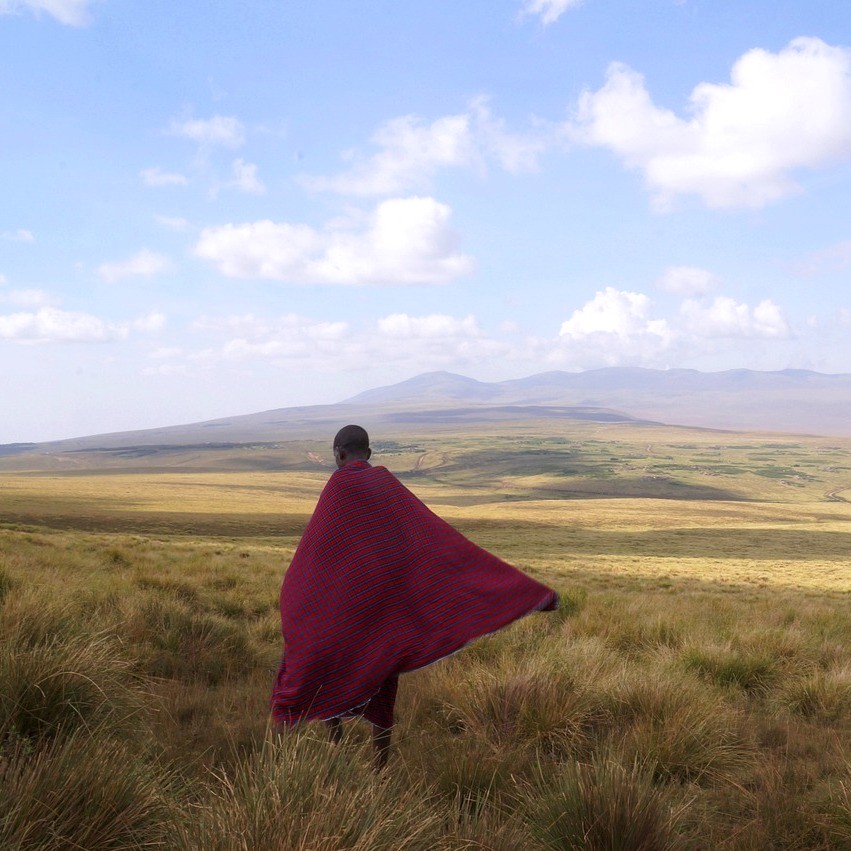
African Scenic Safaris is a 100% Tanzanian-owned Destination Management Company (DMC), founded in 2009 and headquartered in Moshi, Tanzania, at the foot of Mount Kilimanjaro. For over 15 years, they have designed and delivered tailor-made safari, trekking, and cultural experiences across Tanzania from the Serengeti plains to the summit of Kilimanjaro serving small, medium, and high-end travellers who seek authentic, responsible travel. African Scenic Safaris is one of the first in mainland Tanzania to receive Travelife Certification in 2023. They are committed to fair employment, gender equality, and minimising environmental impacts.
African Scenic Safaris demonstrates a strong commitment to sustainable tourism, conservation, community engagement, and staff development. Their Travelife for Tour Operators certification and involvement in initiatives such as the “Trash In, Trash Out” campaign on Mount Kilimanjaro reflect notable leadership in sustainability. The Safari Passport Book is also an innovative initiative that effectively engages and educates young travellers on culture and wildlife. In addition, being selected by the government to lead a tourism initiative through the Kilimanjaro climbing campaign demonstrates strong stakeholder trust and sector recognition. The organisation has also shown commendable investment in staff through training and active involvement in sustainability planning and implementation, and presented tangible impacts and monitoring data across its initiatives. There is an opportunity to strengthen clarity around the long-term sustainability of community outreach programs, particularly how they would continue independently without direct funding support. There is also room to further enhance digital storytelling and the use of modern technology to communicate impact more effectively. Providing clearer evidence on how staff and their dependants have benefited, alongside plans to reinforce the social responsibility component, would further strengthen the overall sustainability narrative.
Judge’s comment
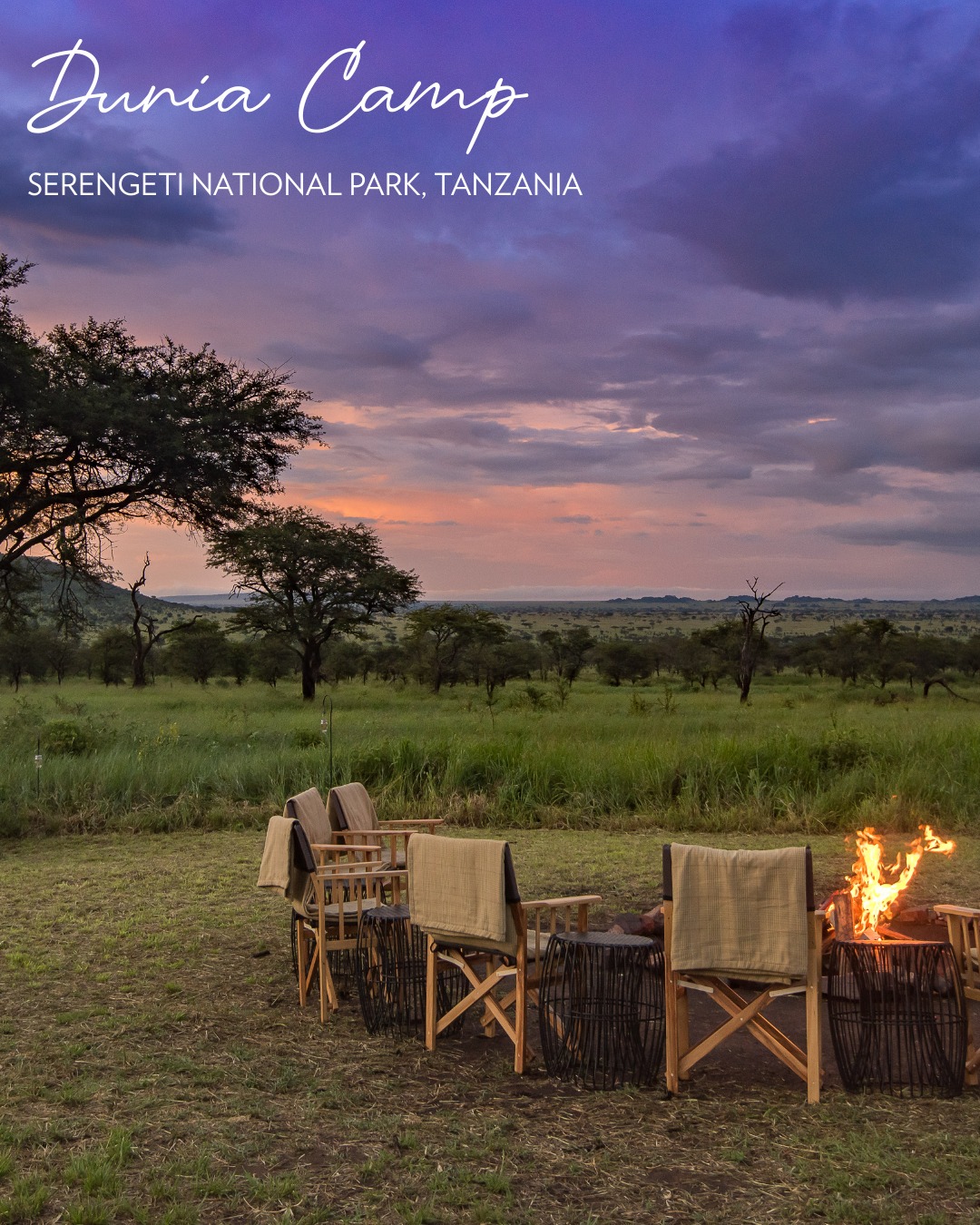
Asilia Africa, a certified B Corp and member of The Long Run, was founded in 2004 by a group of family-run safari pioneers, bringing together decades of experience and a shared respect for the places they call home. Today, they operate 18 camps and lodges across Kenya, Tanzania, and Uganda, remaining true to their founding heritage that travel should support the people and cultures that have shaped these landscapes over generations. In the last financial year, as part of Nawiri Group, US$11 million for nature protection and community impact was generated, supporting long-term conservation and community programmes across East Africa.
Asilia Africa demonstrates a strong commitment to regenerative and sustainable tourism through environmental conservation, eco-friendly accommodation practices, staff empowerment, and community collaboration. Partnerships with organisations such as The Maa Trust strengthen their support for cultural heritage and community engagement. Asilia Africa shows measurable social impact through staff training and support initiatives that extend to employees’ families, reflecting a genuine commitment to social responsibility. There are opportunities to strengthen long-term sustainability by clarifying how projects would remain self-sustaining beyond donor support. Greater emphasis on cultural heritage integration, gender inclusivity, and the use of modern technology for heritage storytelling and visitor engagement would further enhance the organisation’s overall sustainability impact and regenerative tourism model.
Judge’s comment
The ATTA® Earthkeepers Award recognises an organisation that offers ethical wildlife experiences (wild or captive), respects animal welfare, educates tourists, and where applicable, has demonstrated a significant contribution to natural habitat conservation and the reduction of human wildlife conflict.
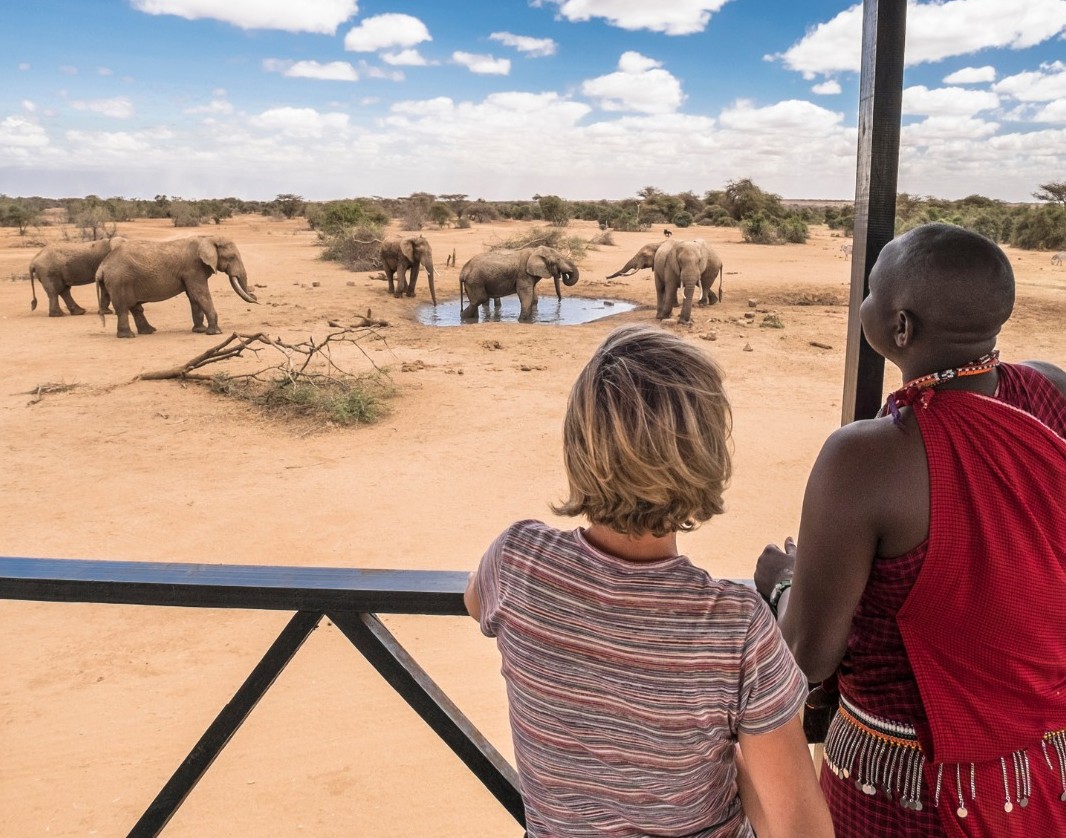
Gamewatchers Safaris is a conservation tour operator and a pioneer of the community conservancy model. Founded by Jakes Grieve-Cook on the principle that conservation can be achieved through meaningful community engagement and responsible tourism. This led to the establishment of the Selenkay Conservancy in 1997, the first conservancy of its kind in Kenya. The model is built on strong community partnerships, where local landowners lease their land for habitat protection and wildlife conservation while retaining ownership and custodianship. This approach has enabled the establishment of conservancies such as Selenkay and Ol Kinyei and has since been widely replicated across the Maasai Mara ecosystem.
Gamewatchers Safaris is the pioneer of Kenya's community conservancy model, and the depth of what has been built is exceptionally strong. The community conservancy approach addresses a reality (only 8% of Kenya is formally protected, yet 70% of wildlife lives outside protected areas) by leasing land from local Maasai communities for conservation while keeping ownership and decision-making with the landowners. Today, approximately 138,305 acres across at least five conservancies sit under this model, with over 3,500 landowners receiving regular lease payments and over 2,500 Maasai families directly benefiting. Gamewatchers Safaris' Porini pioneering work has shaped how Kenya thinks about conservation tourism. The community conservancy model is one of the most replicable, impactful, and externally validated contributions any single operator has made to African wildlife conservation in the past thirty-five years.
Judge’s comment
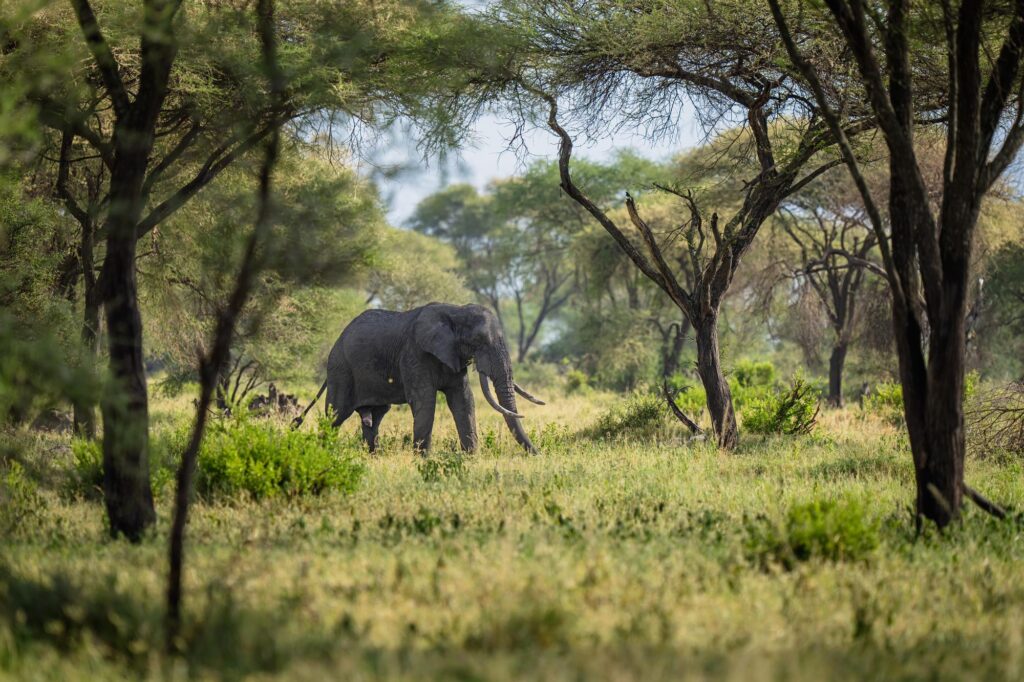
Chem Chem Association (CCA) is a registered non-profit organisation established in 2009 and is based within the Burunge Wildlife Management Area (WMA) in northern Tanzania. Uniquely positioned to protect the Kwakuchinja Wildlife Corridor — a vital migratory route connecting Tarangire and Lake Manyara National Parks — CCA is committed to restoring and securing this ancient pathway while uplifting the communities that border it. They have transformed a once-depleted landscape into a thriving ecosystem through an integrated conservation model that combines anti-poaching efforts, habitat restoration, and data-driven wildlife protection with economic empowerment, education, and advocacy.
Chem Chem Safari and the Chem Chem Association together represent one of the most institutionally credible single-corridor conservation models in the field. The conservation outcome is genuinely rare: 17 years restoring a corridor declared abandoned by the Tanzanian government in 2009, now approaching formal gazettal in mid-2026, which will expand the protected area from 280 km² to 600 km². Chem Chem Safari and CCA together are a credible Earthkeepers candidate whose corridor restoration legacy, audited governance, community partnership depth, and the Slow Safari pioneering philosophy position them as a valuable contributor in the Tarangire-Manyara landscape.
Judge’s comment
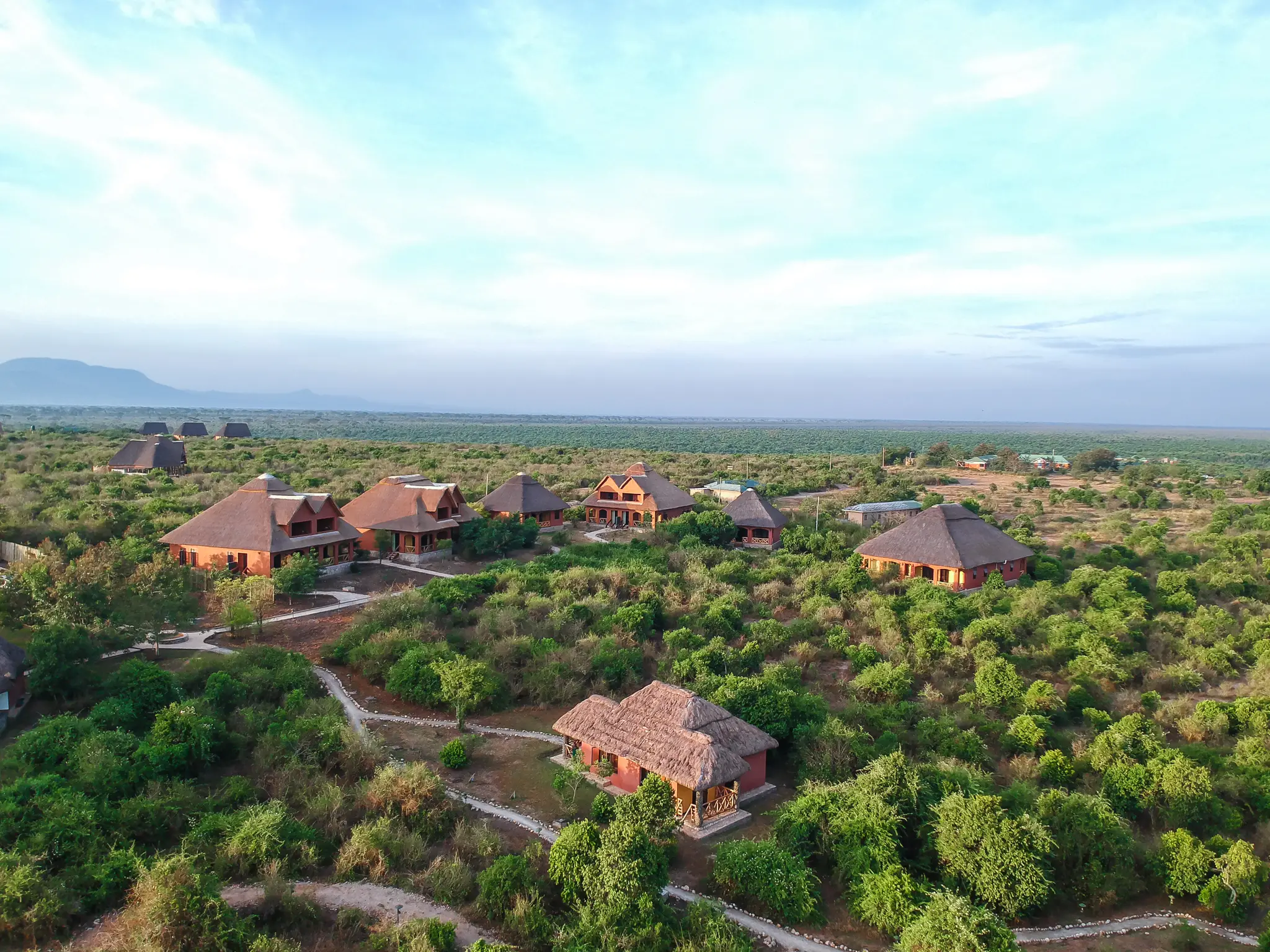
Green Safaris is a safari company operating in Zambia and Malawi with camps in some of southern Africa’s most important wildlife landscapes, including Kafue National Park, South Luangwa, the Lower Zambezi, Victoria Falls and Lake Malawi. Founded on the belief that safari tourism should actively protect and restore the natural environments on which it depends, Green Safaris is known for pioneering low-impact safari operations, including electric safari vehicles, e-boats and solar-powered camps, but equally important is its long-term investment in wildlife conservation through the Green Safaris Conservation Foundation. The Foundation supports projects that protect threatened species, strengthen anti-poaching efforts, reduce human-wildlife conflict and empower communities to become long-term custodians of their landscapes.
Green Safaris has built one of the most operationally innovative and structurally credible conservation models in the field. The Green Safaris Conservation Foundation, deployed €364,335 in 2024 across five major landscapes (Kafue National Park, South Luangwa, Lower Zambezi, Victoria Falls, Likoma Island), with €216,757 to community development and €140,505 to conservation. The conservation outcomes are quantified and externally validated. Green Safaris' audited foundation governance, pioneering electric fleet, comprehensive multi-country community development, and statistically evidenced conservation outcomes position it as a benchmark for operational innovation in conservation tourism.
Judge’s comment
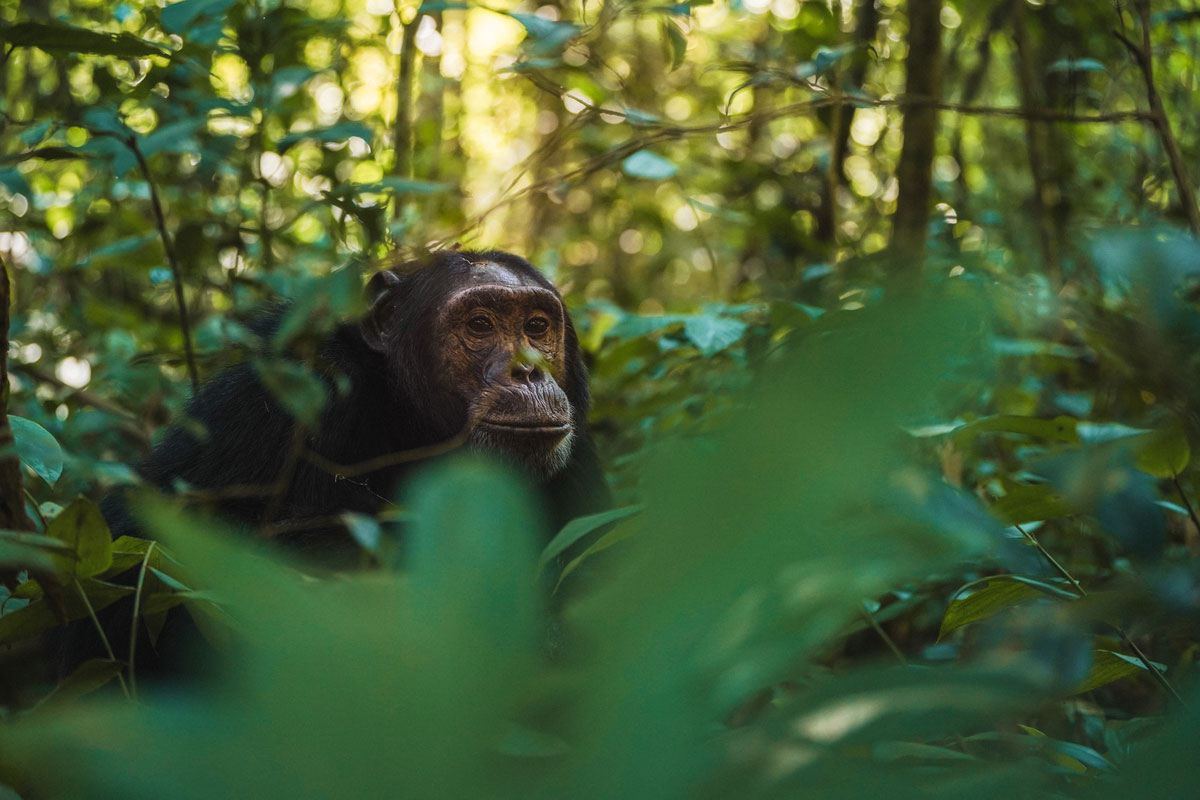
Volcanoes Safaris offer expertly curated great ape and wildlife safaris incorporating sustainable conservation and community projects. Pioneers of gorilla and chimpanzee ecotourism in the region for over 25 years they offer a complete tailormade safari service to award-winning lodges in Rwanda and Uganda. Under the Volcanoes Safaris Partnership Trust, they aim to create long-term, self-sustaining projects that enrich the livelihoods of local communities, promote the conservation of the great apes, restore natural habitats and work with communities and institutions to reduce human-wildlife conflict.
Volcanoes Safaris sets a magnificent global standard for combining great ape conservation with true community equity. Their landscape-level habitat protection is world-class. Investing private capital over multiple decades to secure a permanent land buffer along the edge of the Kyambura Gorge represents an outstanding strategy for countering the long-term threats of forest fragmentation and urbanisation. Their wonderful partnership trust also built an entire custom village to provide secure land and housing for the indigenous Batwa community. Their ability to translate premium travel experiences into lifelong global advocacy and continuous financial support for community projects is spectacular. By flipping the traditional safari model on its head to place community welfare at the absolute top of the conservation triangle, they have built an exceptional framework for long-term socio-economic collaboration.
Judge’s comment
The ATTA® Eco-Innovation Award recognises an organisation committed to protecting the planet and mitigating climate change through integrating eco-friendly practices and technologies, like renewable energy sources, and transparently monitors their efforts.
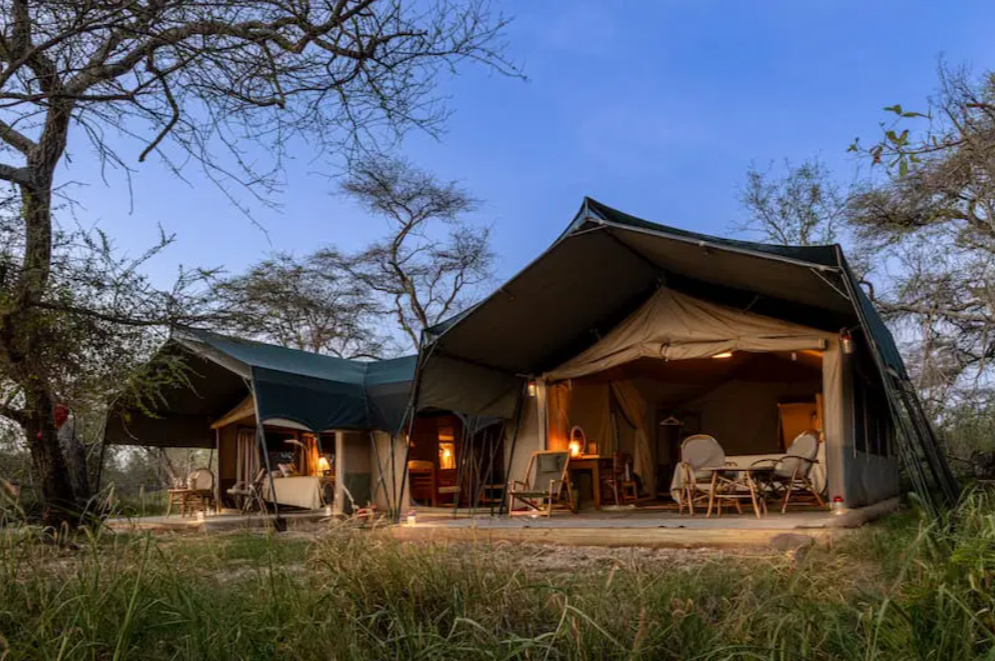
Porini Safari Camps, operated by Gamewatchers Safaris, are award-winning, low-impact eco-camps located within community-owned conservancies in Kenya. As pioneers of the conservancy model, they demonstrate how conservation-led tourism protects wildlife habitats, sustains biodiversity, and delivers long-term economic benefits to local communities through land lease payments. Set in ecologically sensitive landscapes across Amboseli, Maasai Mara, Ol Pejeta, and Meru, the camps operate under strict zero-waste and low-density principles, minimizing environmental impact while offering exclusive safari experiences. Sustainability is embedded across operations through local sourcing, reduced food waste, on-site kitchen gardens, and robust waste management practices including composting, reuse, and recycling. By applying circular economy principles, Porini demonstrates how tourism can significantly reduce waste while supporting conservation and community livelihoods.
Porini Safari Camps left me with the impression of an organisation that knows exactly who it is and what it is trying to achieve. There is a consistency throughout the work that is difficult to miss, with the various initiatives feeling connected and guided by the same long-term vision. Keeping over 130,000 acres under conservation is no small thing. It's a powerful example of how tourism can support climate action. The videos provided added valuable context to the work being done across the conservancies and reinforced the long-term impact of a model that has been evolving for nearly three decades. There is something powerful about communities retaining ownership of their land while benefiting directly from tourism and conservation, and the wider investment in education, livelihoods and community wellbeing shows a long-term commitment to the people who call these landscapes home. From the conservancy model and local partnerships to the guest experience itself, sustainability appears to be part of how the operation functions rather than an additional layer placed on top. The additional context around Jake Grieves-Cook's contribution to conservation in Kenya added even greater depth. Well done on an impressive application!
Judge’s comment
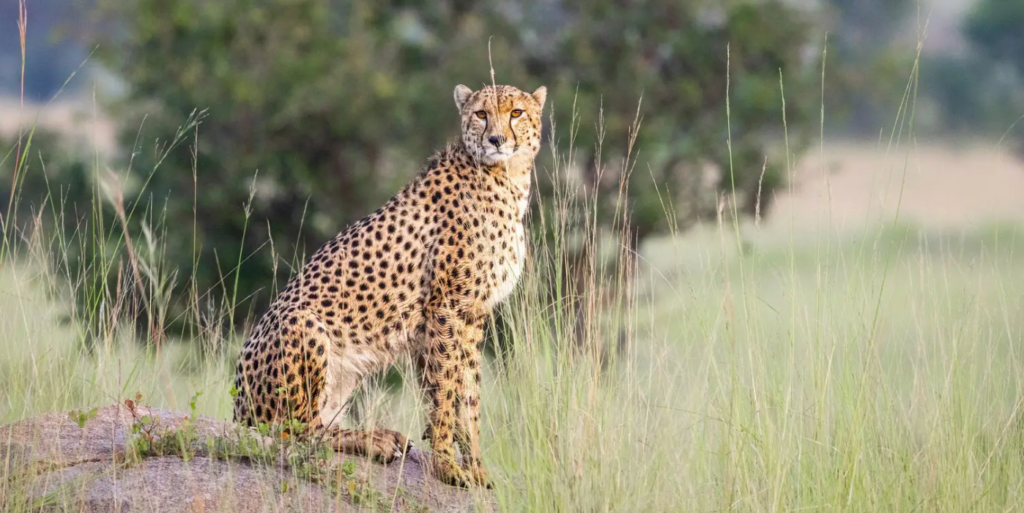
Asilia Africa, a certified B Corp and member of The Long Run, was founded in 2004 by a group of family-run safari pioneers, bringing together decades of experience and a shared respect for the places they call home. Today, they operate 18 camps and lodges across Kenya, Tanzania, and Uganda, remaining true to their founding heritage that travel should support the people and cultures that have shaped these landscapes over generations. From the outset, Asilia Africa has prioritised low-impact design, renewable energy, and responsible resource use, and continue to invest in sustainability systems. Beyond their own camps they collaborate with local partners and suppliers to strengthen sustainable practices across the supply chain and invest annually into impact projects that enhance climate resilience and sustainable livelihoods for local communities.
Asilia Africa submitted a holistic application supported by clear evidence, measurable results and a willingness to share both successes and ongoing challenges. Most impressive was the way conservation, community development and operational sustainability were integrated throughout the business rather than treated as separate initiatives. This reflects a long-term commitment to responsible tourism and provided a strong example of how sustainability can be embedded into everyday operations. A thoughtful and detailed submission!
Judge’s comment
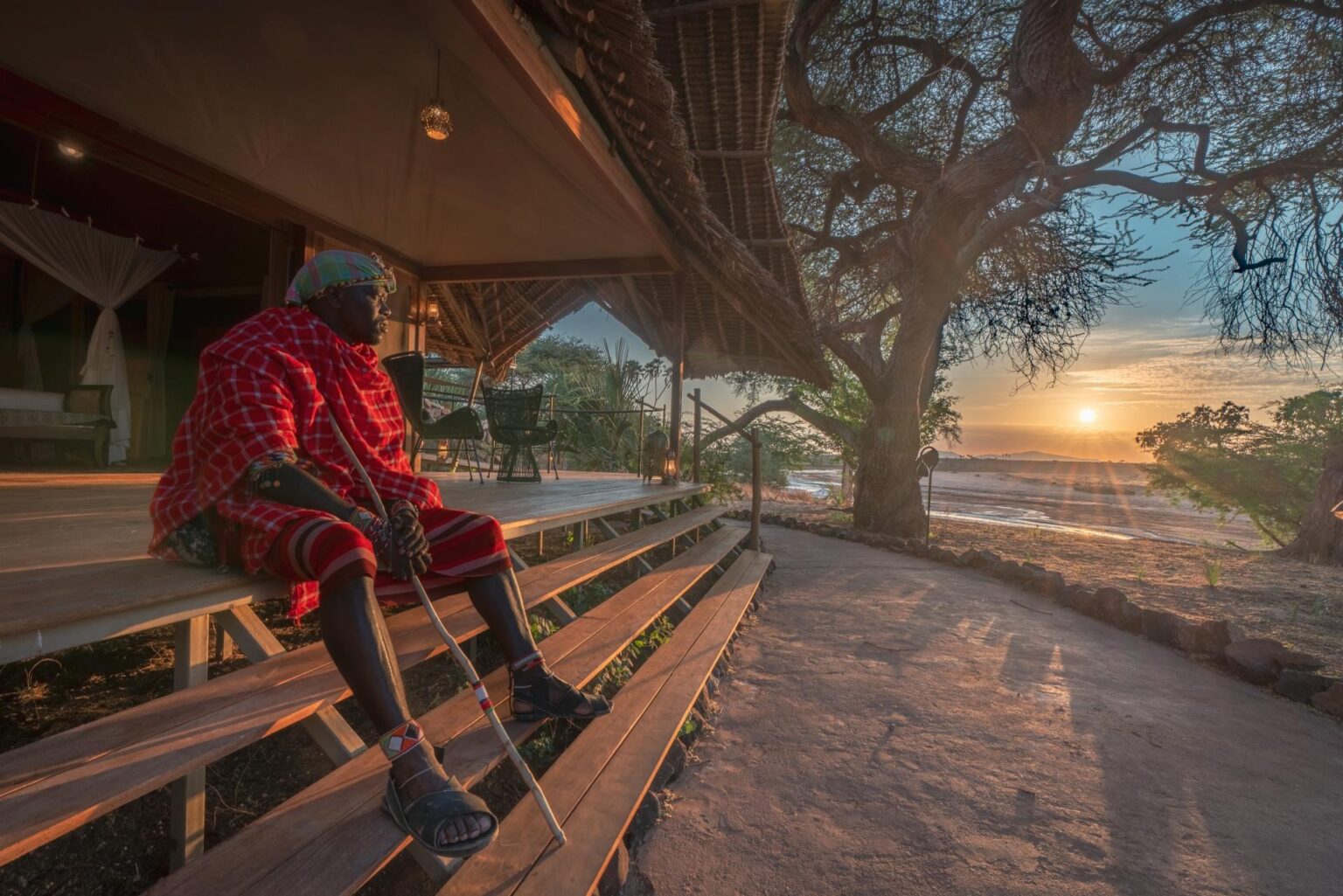
Soroi Collection is a boutique portfolio of safari camps, lodges and a hotel rooted in Kenya’s most iconic ecosystems. From inception, its founding principle has been clear: to offer immersive, authentic luxury while actively safeguarding the landscapes, wildlife, and cultures that make those experiences possible. A pioneer of operational sustainability, Soroi has been single-use plastic-free since 2018. One of the first safari operators in Kenya to take this step and has since built a long-standing, embedded model of low impact operations across energy, water, waste, and responsible sourcing that ensures guest experiences and conservation outcomes are intrinsically linked. Complementing this vision is its sister organization, Community and Wildlife Conservation (CWC), established in 2020.
Soroi Collection has a sense of alignment running throughout the application. From the Plastics for Books initiative and CWC programmes to the renewable energy investments and policy engagement, the various efforts feel connected by a shared understanding that thriving communities, healthy ecosystems and successful tourism go hand in hand. The Plastics for Books initiative was a particular highlight and one of the most memorable examples reviewed. Being the only tourism business represented on the Kenya Plastics Pact Steering Committee is no small thing, and Soroi appears to be taking that responsibility seriously. The combination of policy level engagement and conservation focused guest experiences added real strength to this category. Well done on a strong application and the meaningful work being done across your destinations!
Judge’s comment
The ATTA® Zero Waste Trailblazer Award celebrates organisations that prioritise seasonal, local and indigenous produce, working with ethical suppliers, minimising food waste, and educating guests and other stakeholders.

Sirikoi Lodge is a luxury eco-lodge set within the renowned Lewa Wildlife Conservancy in northern Kenya, offering an intimate safari experience. The lodge is built with a strong commitment to sustainability, operating under a low-impact model that prioritises environmental stewardship, wildlife conservation, and responsible resource use. As a member of The Long Run, Sirikoi aligns its operations with the 4Cs framework: Conservation, Community, Culture, and Commerce. Sirikoi actively supports conservation efforts within Lewa, a UNESCO World Heritage Site, and contributes to the protection of endangered species. Through the Sirikoi Trust, the lodge invests in local community development, education, healthcare, and sustainable livelihoods, strengthening resilience within the surrounding communities.
Sirikoi Lodge presents one of the strongest and most comprehensive zero-waste submissions reviewed. The application demonstrates exceptional circular economy thinking, innovative waste-to-resource systems, extensive local sourcing, strong community partnerships, and meaningful guest engagement. Particularly impressive are the Black Soldier Fly and Tiger Worm projects, glass recycling innovations, greywater treatment systems, and the integration of sustainability into the guest experience. Sustainability is clearly embedded throughout operations and supported by strong leadership, community involvement, and continuous innovation. This is a highly credible example of regenerative tourism.
Judge’s comment
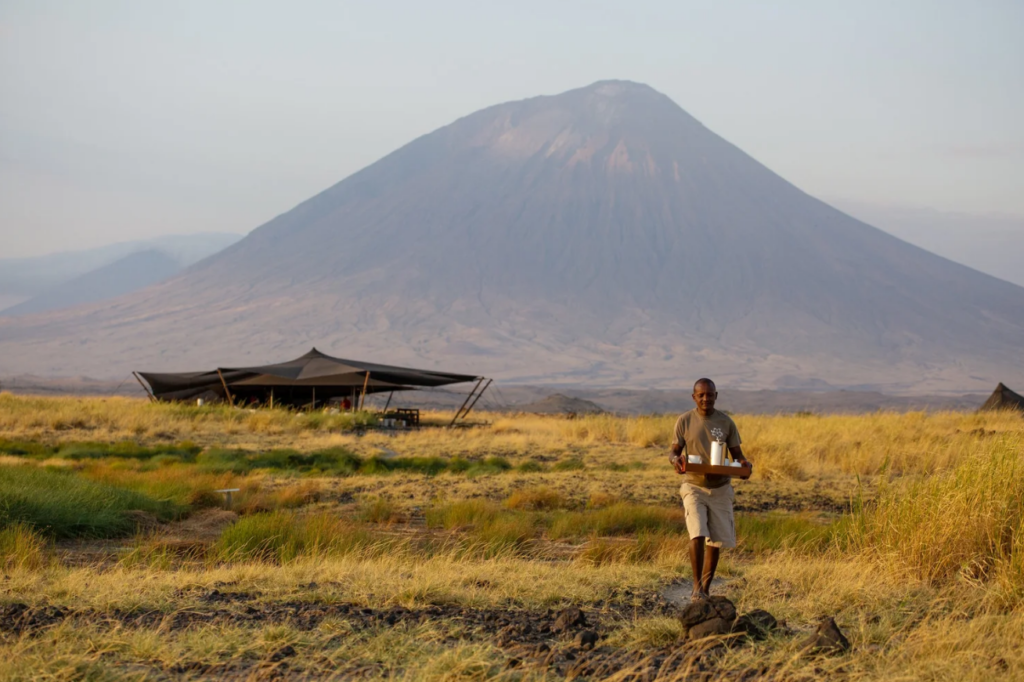
Lake Natron Camp, part of Leonotis Adventures Ltd, is a 10-tent eco-camp in one of the most remote and inhospitable areas of Tanzania. Run by a team of local Maasai (including 21 women) this is a unique ecological camp, set in one of the most visually dramatic locations in the world. Profit from the camp goes to the local village, Ngare Sero. Uncompromisingly eco-friendly, Lake Natron Camp is proudly certified by Travel Life and Responsible Tourism Tanzania, demonstrating an unwavering commitment to sustainable tourism practices. Lake Natron Camp strives to be part of positive change and incentivise communities to participate in restoring habitats.
Lake Natron Camp presents an impressive example of low-impact tourism operating in a challenging and remote environment. The integration of community development, food security, sustainable sourcing, waste management and environmental stewardship is particularly commendable. Strong partnerships with local communities and circular economy suppliers enhance both environmental and social outcomes. The application would be strengthened by providing more quantified data on water conservation, waste diversion, food waste reduction and long-term sustainability targets. Overall, Lake Natron Camp demonstrates a genuine commitment to responsible tourism and offers a strong model for linking environmental sustainability with community benefit.
Judge’s comment

Pullman Cape Town City Centre is a premium city hotel located in the heart of Cape Town, offering business and leisure travellers a contemporary stay in one of South Africa’s most dynamic urban destinations. Positioned within easy reach of the city’s commercial centre, cultural landmarks and tourism attractions, the hotel combines international hospitality standards with a strong sense of place. Alongside guest experience, Pullman Cape Town City Centre has embedded responsible operating practices into its day-to-day business. The hotel’s approach includes a focus on resource efficiency, responsible sourcing, food waste reduction and community engagement, supported by recognised sustainability frameworks and internal governance structures.
Pullman Cape Town City Centre presents a highly credible and well-evidenced sustainability programme supported by recognised certifications, measurable performance data, and strong operational systems. The submission excels in waste minimisation, circular economy practices, food waste management, and the elimination of single-use plastics. The integration of technology, supplier engagement, and adaptive reuse principles demonstrates a mature approach to sustainability. Water conservation measures are robust, although the absence of rainwater harvesting or greywater recycling limits performance in that category. While sustainability is integrated into the guest experience, more immersive educational opportunities would strengthen the overall impact. Overall, Pullman Cape Town demonstrates a comprehensive and data-driven commitment to responsible hospitality and zero-waste principles.
Judge’s comment
The ATTA® Community Upliftment Award recognises an organisation that has demonstrated exceptional commitment to fostering a collaborative and caring culture within local communities, actively involving them in meaningful conservation and community actions, providing growth opportunities and improved wellbeing.
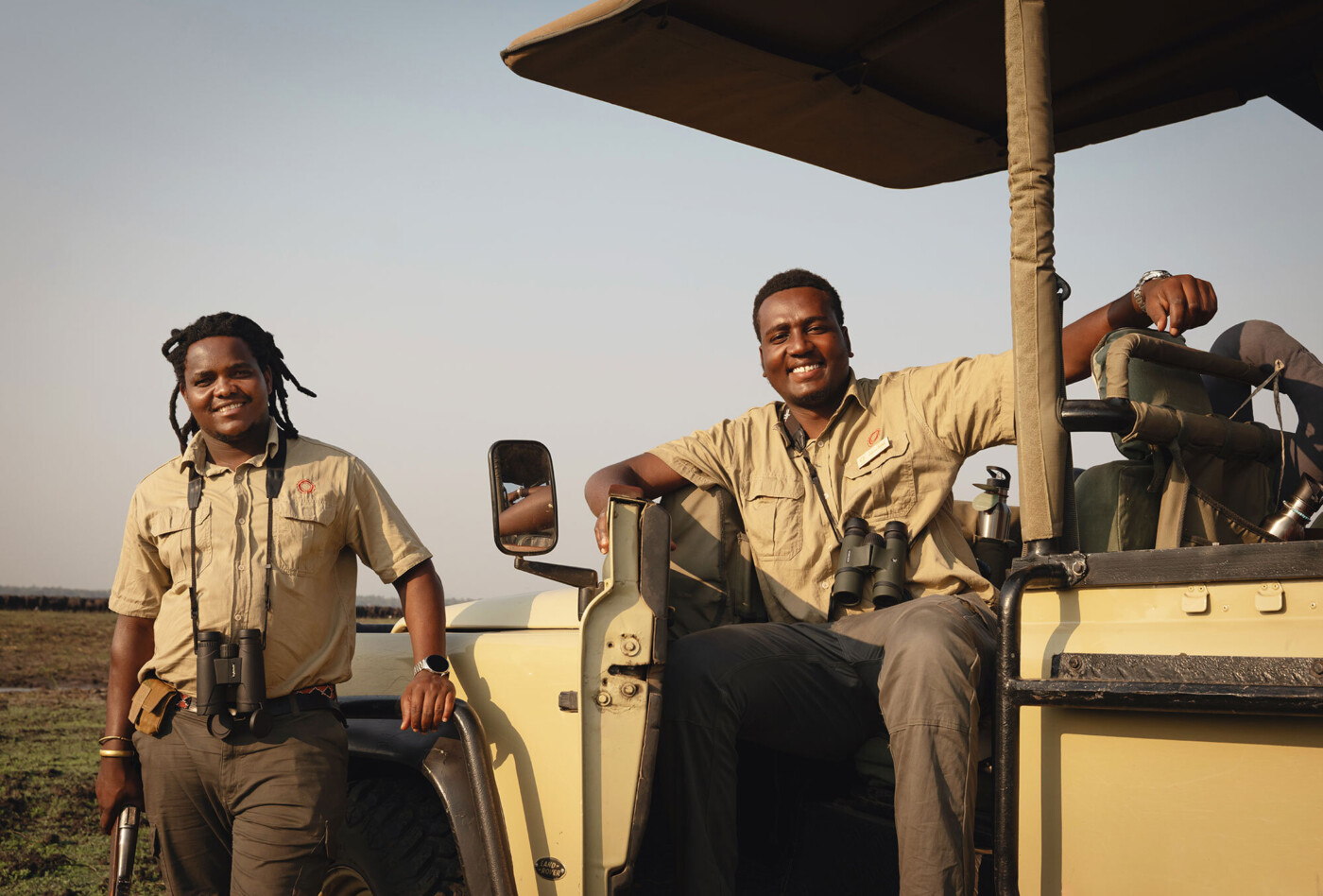
Nomad Tanzania is an award-winning safari company operating eleven camps and lodges across Tanzania’s finest wilderness areas — from the Serengeti and Ngorongoro in the north, to Ruaha and Nyerere in the south, and Katavi and Mahale in the west. Founded in the early 1990s by a small group of passionate safari pioneers, the company has grown with intention, maintaining a deliberately small footprint while deepening its commitment to the places and people at the heart of its operation. From the beginning, Nomad has operated on a simple but profound belief: that brilliant safaris, a strong business, and genuine investment in people are not competing priorities — they are mutually dependent. Nomad channels financial and logistical resource into community uplift, health outreach, and conservation programmes across remote Tanzania.
Nomad Tanzania has a structured system for community upliftment through their four pillars: education, health, economic opportunity, and conservation. Their application provided data on well-being and health initiatives with clear follow up actions. The diversity of locations and their uniqueness are integrated where need is greatest. All impact data provided showed a clear separation between input and outcome with visible targets. Overall, a great example to follow.
Judge’s comment
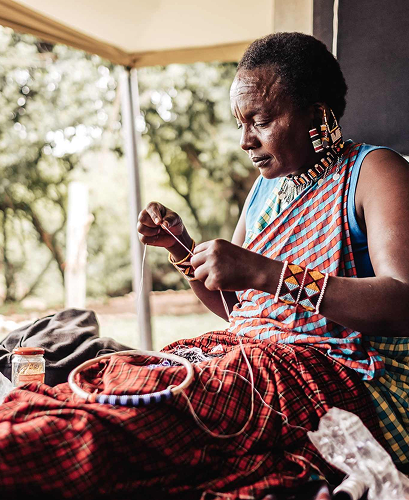
Cottar’s Safaris has a heritage spanning more than a century and five generations. Founded in 1919, it has evolved from a pioneering safari outfitter into a conservation-led tourism business committed to safeguarding biodiversity, supporting community wellbeing, celebrating Maasai culture, and delivering exceptional guest experiences. Located with the private community owned Olderkesi Conservancy in the Greater Maasai Mara ecosystem bordering Tanzania’s Serengeti, Cottar’s Safaris comprises Cottar’s 1920s Camp and Cottar’s Bush Villa. Together, they offer low-density, high-value tourism within a vital wildlife corridor linking the Serengeti, Maasai Mara, and Loita Forest. At the heart of Cottar’s Safaris is a simple principle: tourism must create measurable value for both people and nature. Cottar’s Safaris is one of only twelve accredited Global Ecosphere Retreats® under The Long Run and holds Kenya’s Gold Ecotourism Certification.
Cottar's Safaris provides a masterclass in how a long-standing tourism business can transition into a true landscape-level partnership. What makes this entry stand out is their refusal to rely on guesswork. By partnering with specialists to survey 97% of local households, they built an initiative based entirely on real community needs. From securing land title deeds for 6532 Maasai landowners to investing over 600000 dollars back into ecosystem services and healthcare, they prove that luxury hospitality can actively drive economic justice and cultural preservation for future generations.
Judge’s comment
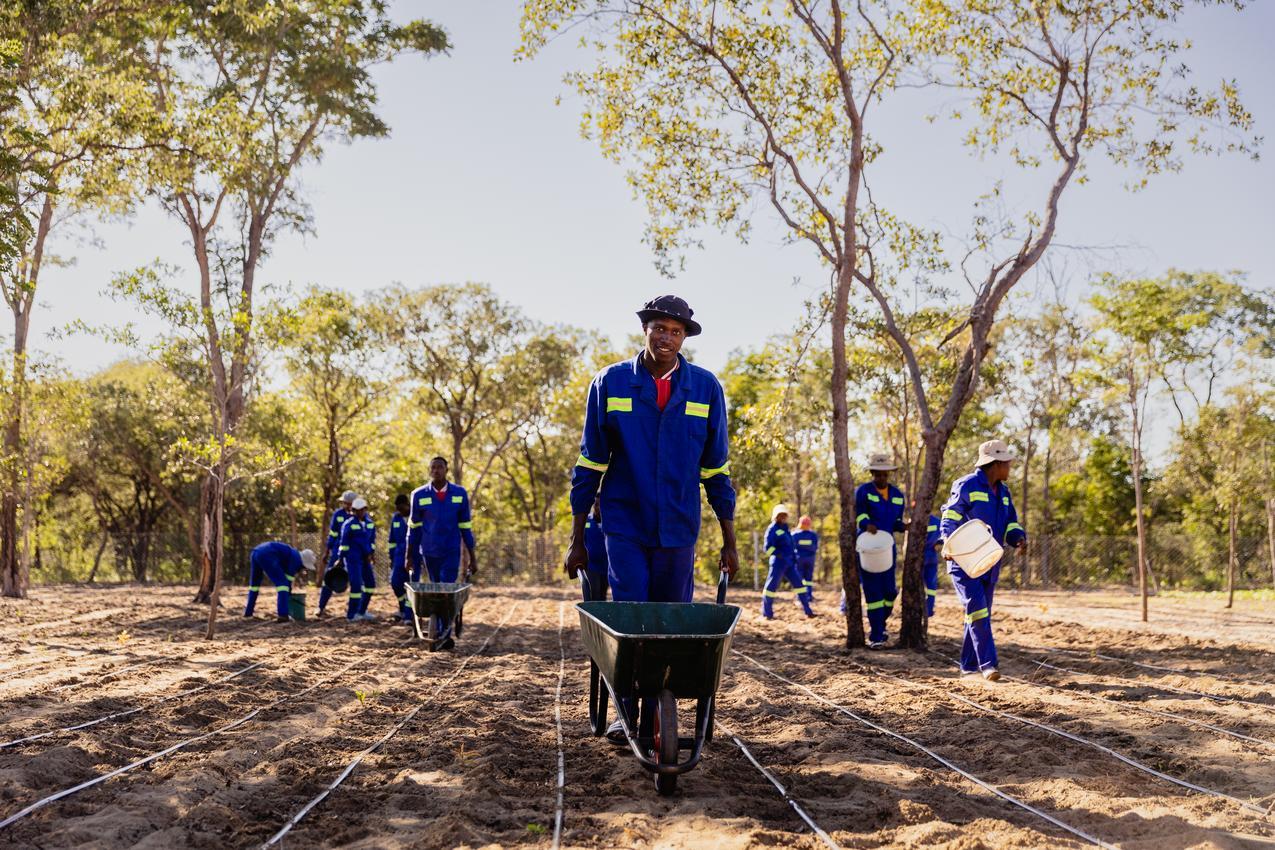
Founded over 40 years ago, Wilderness is a world-leading conservation and hospitality company, offering immersive journeys to a range of environments in Botswana, Kenya, Namibia, Rwanda, South Africa, Tanzania, Zambia and Zimbabwe. Wilderness is part of a global collective working to conserve the world’s iconic unfenced, untamed and unpredictable wilderness areas. With more than 55 exceptional camps and lodges, Wilderness helps protect some 2.2 million hectares (5.4 million acres) of land across its eight African destinations. Its goal – to double that by 2030. Wilderness aims to educate by improving access to education, nurturing the next generation of conservation thought-leaders; empower by growing a conservation economy with programmes that create self-sustaining communities, and protect the peaceful co-existence of wildlife and people, and restoration of habitats.
Wilderness stepped up with a massive intervention during a severe regional drought. Their new vocational centre graduated its first class of 43 certified youth this year while simultaneously growing over four tonnes of organic vegetables, chickens, and eggs. This harvest feeds the students on campus and supports vulnerable local families. By creating a loop where their own luxury safari camps buy this food directly from the student cooperative, they have built a highly effective local economy that keeps tourism dollars inside the community.
Judge’s comment
The ATTA® Marine Impact Award shines a spotlight on those organisations, products or services that are making a tangible difference to the protection of the marine and coastal environment of Africa’s Coastline whilst supporting long-term community benefits.
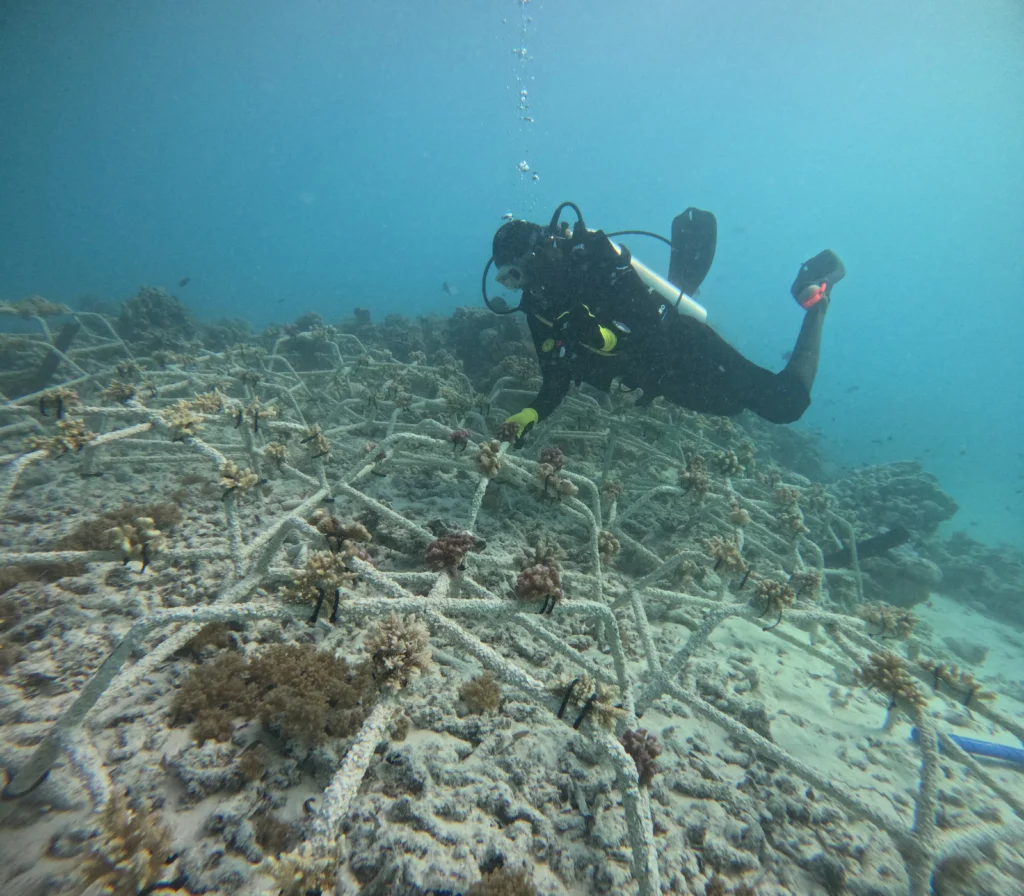
Founded in 1991 at Phinda Private Game Reserve, in South Africa, the vision of &Beyond was to create a model where sustainable travel could drive conservation and bring meaningful benefits to the communities living alongside wild spaces. Across their African footprint, they work to Care for Land, Wildlife and People, directly conserving more than 500 000 acres in partnership with Wild Impact, their longstanding non-profit community and conservation development partner. In 2018, &Beyond and Wild Impact founded Oceans Without Borders, a collaborative programme anchored within Zanzibar’s Mnemba Island Marine Conservation Area and Mozambique’s Bazaruto Archipelago National Park working in partnership with government and local communities, strengthening the connection between responsible tourism, marine conservation and community stewardship.
This is conservation with urgency behind it. The science is strong, the outcomes are tangible and the guest experience is seamlessly integrated into the conservation effort. To strengthen the project further, an independent research institution could be included to add another layer of scientific credibility alongside the MARRS partnership. andBeyond’s Reef Stars project is a strong example of what can happen when conservation is backed by long term commitment. It is science led, community driven and integrates tourism into the conservation effort in a way that feels authentic and effective. The partnership model is particularly strong, and the Mnemba Marine Special Area stands out as a significant achievement. The main opportunity is to provide greater visibility into lodge level environmental operations, clearer data on community livelihoods and measurable results from the Mozambique rollout as it progresses. Overall, &Beyond sets a high benchmark for others to follow.
Judge’s comment
The ATTA® Collaborative Impact Award recognises collaboration and creativity of organisations that have aligned missions and share resources to have a holistic and meaningful impact for travel in Africa.
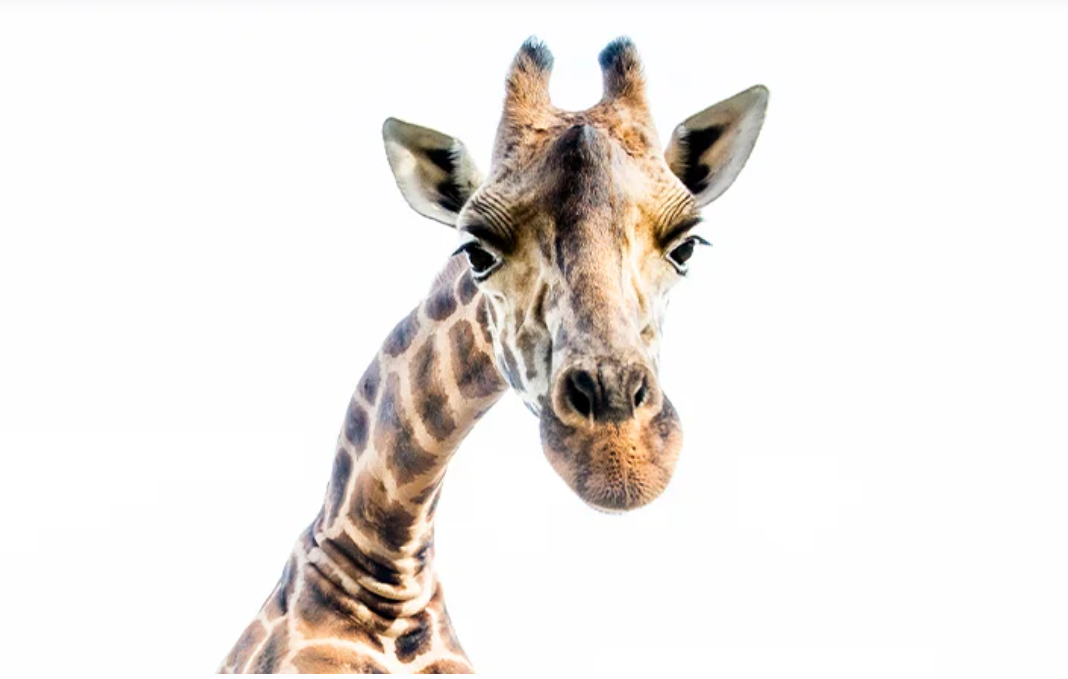
The Safari Collection began with one family camp in Kenya’s Masai Mara and has grown into a small collection of properties across the country: Sala’s Camp, Sasaab, Solio Lodge, Siruai Mobile Camp and Giraffe Manor. Across these locations, they offer immersive safari experiences that connect guests to Kenya’s landscapes, wildlife and communities. An active member of The Long Run, The Safari Collection remains a family-run business, shaped by longstanding relationships. Through The Safari Collection Footprint Trust, they bring together conservation organisations, government bodies, community groups non-profit partners, and guests, to support projects that protect wildlife and ecosystems and create opportunity for local people and enable long-term impact.
The Safari Collection’s collaborative model is designed to be transparent and adaptable. Partnerships include that of: Justdiggit (JDI), the Grevy’s Zebra Trust (GZT) and Ewaso Lions (EL) in the Westgate Community Conservancy (WCC) where Sasaab is located leading large-scale rangeland restoration; in the Masai Mara, strengthening conservation management within the National Reserve working alongside Narok County Government, Kenya Wildlife Service (KWS), ranger units, conservation technology partners and other non-profit impact partners; partnerships with organisations such as Connected Conservation Foundation, 51 Degrees and SOLO Africa, rangers receive training in conservation technology and wilderness first aid, strengthening their professional skills and ability to support their wider communities; working with AFEW Kenya and KWS, in support of Nubian giraffe conservation in Nairobi; with KWS, Giraffe Conservation Foundation (GCF) and Save Giraffes Now supporting monitoring and translocation.
The Safari Collection presents an outstanding example of collaborative conservation and community development driven through responsible tourism. The application demonstrated strong partnerships, meaningful community participation, measurable environmental and social outcomes, and significant financial contributions towards conservation and local development. Particularly impressive is the integration of community-led rangeland restoration, conservation technology, wildlife protection, and livelihood support within a coherent long-term strategy. The submission would be strengthened by providing more evidence of traveller engagement and behavioural influence, as well as additional detail on impact measurement methodologies. Overall, this is a highly credible and impactful model that showcases the power of collaboration in addressing both environmental and social challenges across Kenya.
Judge’s comment
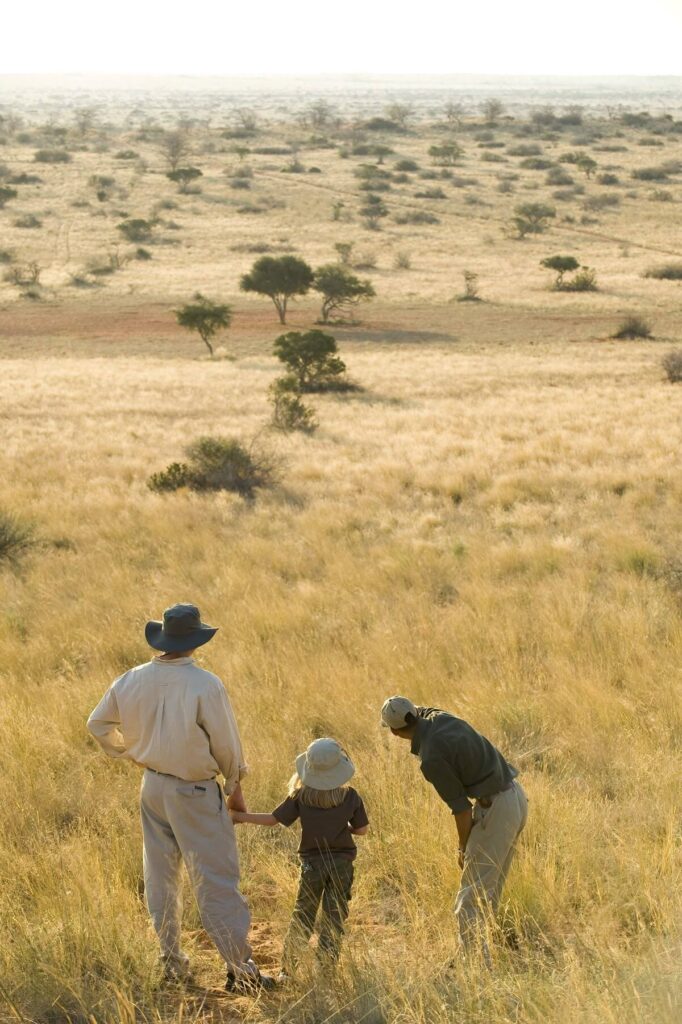
Go2Africa is Africa’s trusted tailor-made safari specialist, creating deeply personal nature-based journeys shaped by first-hand African expertise, trusted local relationships and more than 25 years of experience across East and Southern Africa. Their business model connects global travellers with Africa’s key wildlife landscapes while directing tourism revenue toward conservation and local economies. Through their Positive Impact programme, conservation and community outcomes are integrated into how they design and sell safaris, recognising that long-term success depends on healthy biodiversity and resilient communities.
As the link between travellers, suppliers, and NGOs, Go2Africa actively influences where tourism demand and revenue flows. As part of the Nawiri Group, a certified B Corp™, impact is embedded at an organisational level, supported by long-term investment in conservation partnerships and responsible tourism practices.
Go2Africa presents a strong example of how a tourism business can use its position within the travel value chain to support both conservation and social development at scale. The programme demonstrates excellent collaboration across NGOs, tourism suppliers, travellers, and local communities, supported by robust funding mechanisms and measurable outcomes. Particularly impressive is the way impact has been integrated into core business operations rather than treated as a separate initiative. The application provides clear evidence of positive contributions to livelihoods, education, conservation, and climate resilience across multiple African countries. To strengthen future applications, additional evidence of audience engagement, social media reach, and community participation in project governance would be valuable. Overall, this is a well-structured and impactful initiative that clearly demonstrates tourism’s potential to contribute to a more equitable and sustainable future.
Judge’s comment
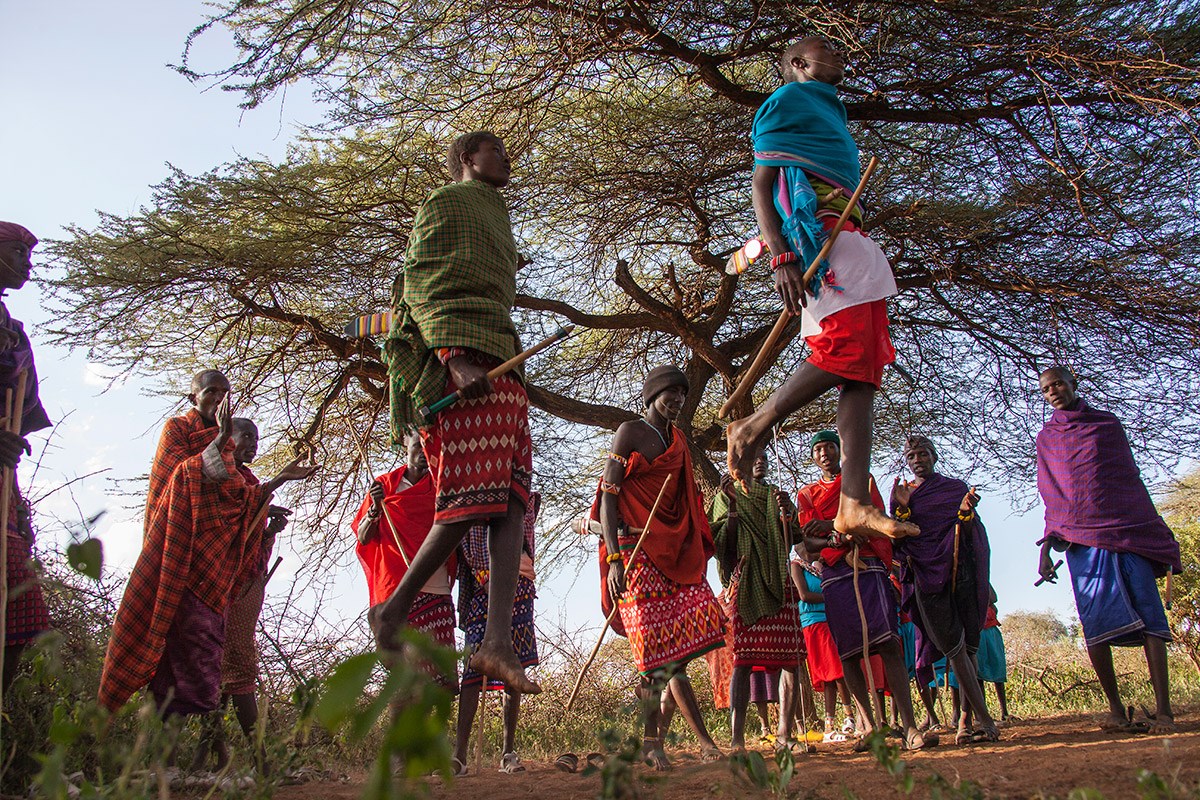
Lets Go Travel Uniglobe is a leading travel management company based at The Hub, Karen, Nairobi, Kenya. Established in 1979, they specialise in seamless, sustainable, and personalised travel experiences across Africa and beyond. Part of Uniglobe Travel franchise (independently owned), Lets Go Travel Uniglobe is accredited by the International Air Transport Association, proud members of the Kenya Association of Travel Agents, the Kenya Association of Tour Operators, and a founding member of Ecotourism Kenya. At Lets Go Travel Uniglobe, collaboration is how they turn intention into impact working with partners around two deeply linked challenges: climate vulnerability and social inequality.
Lets Go Travel Uniglobe’s collaborative community impact work is part of a long-term, values-driven commitment, the success of which is driven by the active involvement of a diverse network of partners. Within this application key partners are recognised: The Pat Dixson Aid Programme sustained for 32 years by Global Connections, Druppels voor Kenia, Servants of Jesus, the American Women’s Association of Kenya, and Friends of the Programme, whose financial and in-kind commitment makes consistent, dignified food support possible across Limuru; Keep Her in School with partner institutions – ZanaAfrica Foundation, Nanyuki Cottage Hospital, Flexi Biogas International, Druppels voor Kenia Impulse21 and others; STTA collaborates on youth leadership through Young Change Makers, while universities and Technical and Vocational Education and Training (TVET) institutions power MAARIFA. Conservation partners include Nature Kenya, East African Wildlife Society, Tsavo Trust, Colobus Conservation, Friends of Nairobi National Park, AFEW-Kenya, Friends of Oloolua Forest, Silver Oak Mazingira, and Ngare Ndare Forest Trust. Others mentioned: Amadeus Kenya, American Women’s Association, East Africa Women’s League, Diamond Trust Bank Kenya, Kenya Airways, and acknowledgment to many other dedicated individuals — collectively known as Friends of the Program.
Lets Go Travel Uniglobe presents an exceptional example of how tourism can be leveraged to reduce inequality through long-term, collaborative partnerships. The organisation demonstrates significant impact across education, food security, youth empowerment, climate action, conservation, and community wellbeing. Particularly impressive are the longevity of its programmes, the breadth of stakeholder engagement, and the strong commitment to transparency and evidence-based reporting. Future applications could be strengthened by providing more direct evidence of traveller participation and behavioural change resulting from these initiatives. Overall, this is a highly credible, impactful, and well-integrated model of responsible tourism that delivers meaningful benefits to both communities and the environment.
Judge’s comment
The ATTA® Traveller Education and Awareness Award recognises an organisation that educates travellers on how to be better visitors in order to make a more positive impact on tourism in Africa.
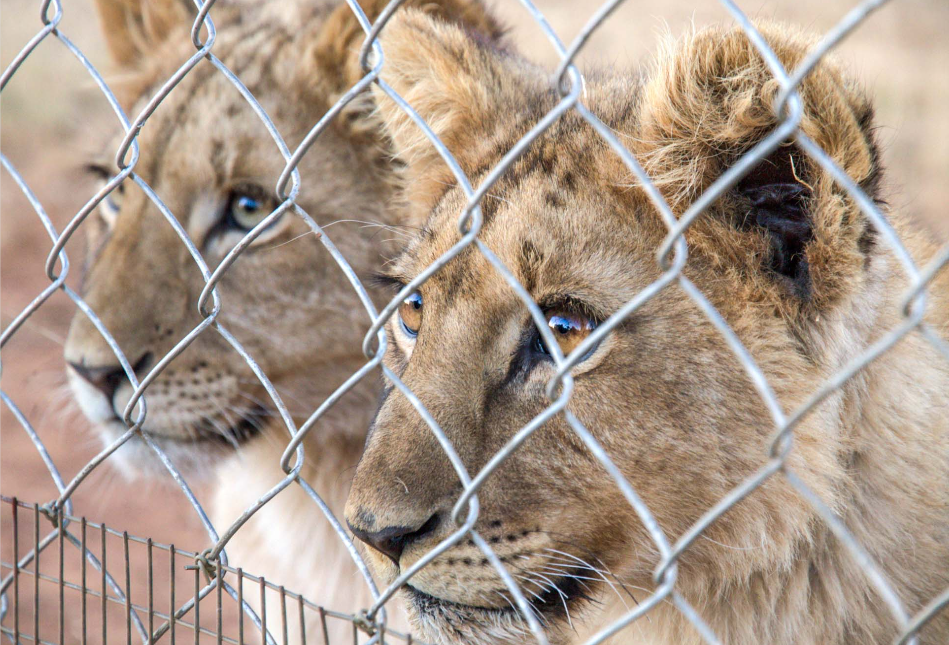
Blood Lions is a non-profit organisation dedicated to ending the exploitation of captive lions and other predators for commercial gain. Launched in response to the Blood Lions film, an exposé of the captive lion industry, Blood Lions works at the intersection of conservation, animal welfare, and responsible tourism. Their mission is to raise awareness, shift tourism (local and international) behaviour, and influence policy to dismantle exploitative wildlife practices such as cub petting, lion walking, voluntourism, canned hunting, and the commercial trade in live lions and their body parts. This is achieved through advocacy, research, strategic communications and lobbying, and public engagement initiatives. A core pillar of their work is educating travellers, both domestic and international, on how their tourism choices directly impact animal welfare and conservation outcomes.
Blood Lions presents a strong and impactful example of responsible tourism education and ethical wildlife advocacy. The organisation combines storytelling, research, digital outreach, youth engagement, industry collaboration, and advocacy to raise awareness around one of the key ethical challenges facing African tourism. Particularly impressive is the programme’s measurable reach, engagement with tourism businesses through the Born To Live Wild pledge, and its ability to encourage more informed and responsible travel choices. The initiative demonstrates a clear commitment to promoting ethical wildlife tourism while helping travellers, tourism operators, and young people better understand the impact of their decisions. Overall, this is a thoughtful and influential educational programme with strong long-term relevance for responsible tourism across Africa.
Judge’s comment
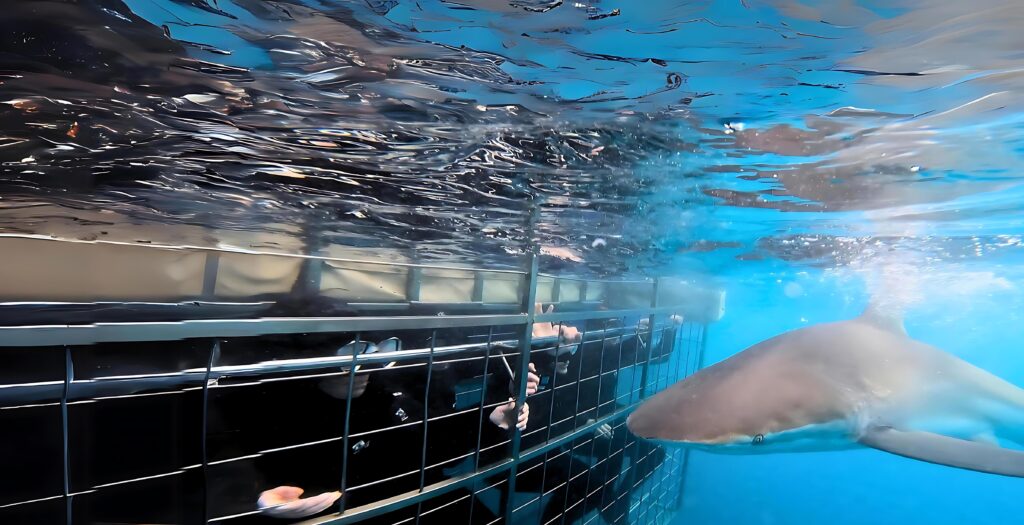
Marine Dynamics is a marine ecotourism organisation operating within an integrated ecosystem that combines tourism, education, research, and conservation. Together with the Marine Dynamics Academy, Dyer Island Conservation Trust, and the African Penguin and Seabird Sanctuary, the organisation delivers a holistic model designed to transform tourism into a driver of conservation impact. Across marine tours, trained guides and biologists deliver real-time interpretation using live wildlife encounters. Through these immersive experiences, structured programmes, and direct conservation exposure, Marine Dynamics connects a global audience with South Africa’s Marine Big 5 while embedding responsible tourism principles — contributing to Africa’s leadership in conservation-driven tourism. Collaboration underpins the programme, extending impact across local, national, and global levels.
Marine Dynamics presents an exceptionally strong example of conservation-led tourism education that successfully connects tourism, research, wildlife rehabilitation, and community engagement into one highly impactful model. The programme demonstrates impressive measurable outcomes, particularly in traveller behaviour change, conservation funding generation, public education reach, and marine wildlife rehabilitation. Particularly noteworthy is the organisation’s ability to translate complex marine science into accessible and engaging educational experiences for a wide range of audiences, from international visitors to local schools and community groups. The integration of immersive tourism experiences with direct conservation action creates a meaningful and lasting educational impact. Overall, this is a highly developed, measurable, and influential responsible tourism education programme with strong relevance for conservation-focused tourism.
Judge’s comment
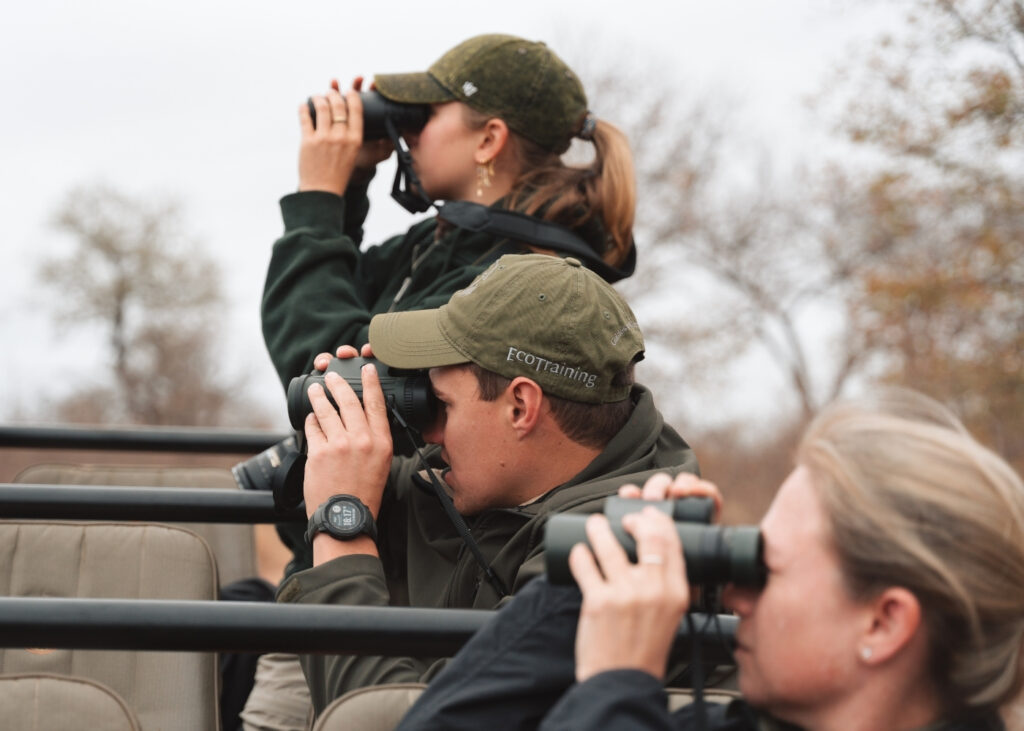
EcoTraining is an African pioneer in safari guide and wildlife education. Established in 1993, it operates unobtrusive fenced bush camps in prime wilderness areas across South Africa, Botswana and Kenya and is the first private training school accredited by the Council for Higher Education. Over three decades, it has trained more than 17 000 students and professional guides. It also equips members of local communities to build careers and leadership roles in South Africa’s ecotourism industry and become advocates for wildlife, ecosystems and sustainable tourism. The organisation offers accredited career courses, gap year and sabbatical programmes, nature and high school programmes, and custom guide training. EcoTraining also embraces digital learning, making nature-focused education accessible to people who cannot travel to the bush.
EcoTraining presents a highly credible, accessible, and impactful model of conservation and responsible tourism education. The organisation has successfully combined decades of field-based expertise with innovative digital learning tools to make wildlife and conservation education available to a much broader audience. Particularly impressive is the integration of practical bush immersion with flexible online learning, allowing participants to build both theoretical understanding and real-world conservation experience. The application is further strengthened by measurable training outcomes, strong industry partnerships, female empowerment initiatives, and a clear commitment to expanding access to environmental education across Africa. Overall, EcoTraining demonstrates a thoughtful and well-established approach to building future conservation ambassadors and responsible tourism leaders.
Judge’s comment
The ATTA® Media Voice for Action Award recognises the importance of creativity, accurate storytelling, ethical focus, and audience impact to amplify the message of responsible tourism in Africa.
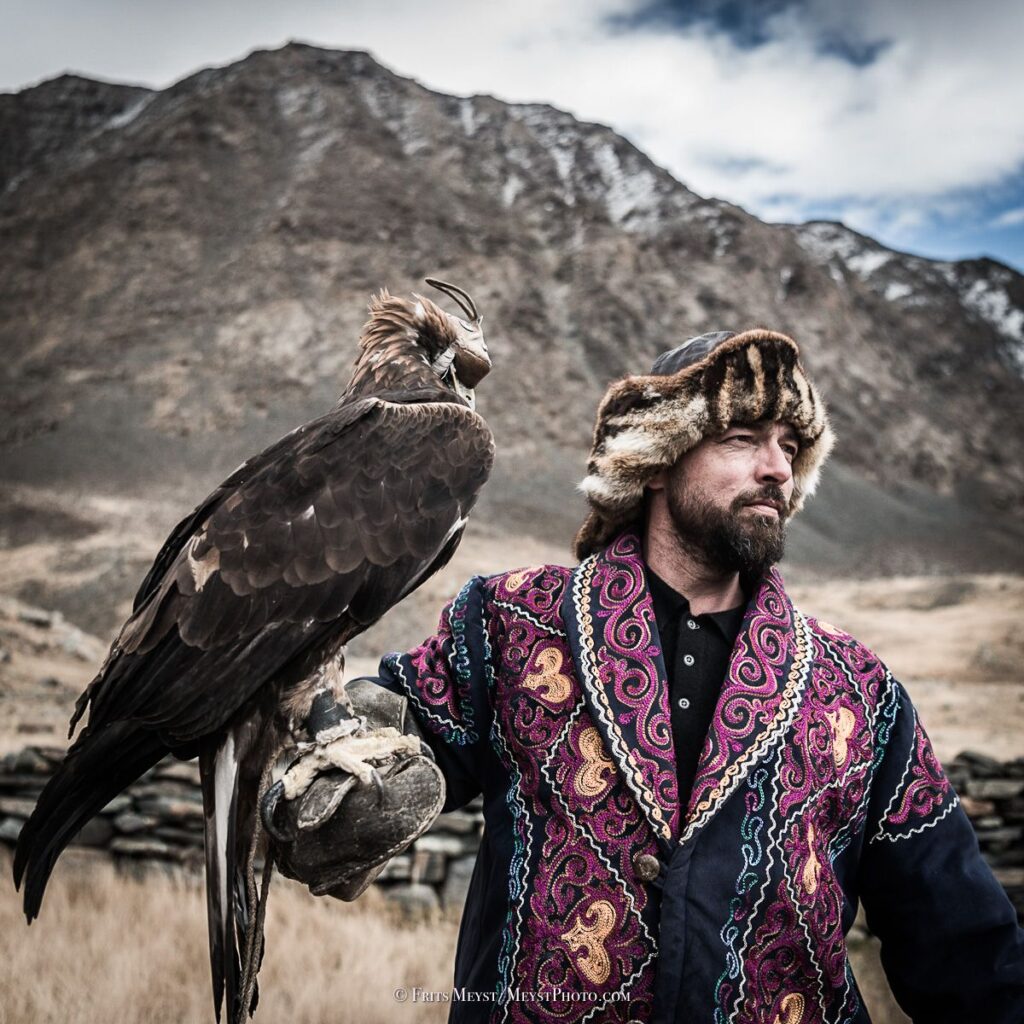
Marco Barneveld, Global Editor-in-Chief of WideOyster Magazine created a magazine special with multiple stories and videos on Arba Minch, gateway to the Omo Valley, the Dorze people, the Gamo and the Gamo Highlands, as part of a bigger project to create new community-based tourism experiences, enhance existing ones, map the entire tourism value chain in Arba Minch, train local DMCs, create a conscious guide for international tour operators, and run a multichannel campaign to enhance the visibility of these Ethiopian regions. German Development Cooperation (GIZ) GmbH funded the project that reached over 700 000 people.
A strong and immersive storytelling project in WideOyster Magazine that effectively showcased the cultural heritage, tourism potential, and community-based initiatives within lesser-visited regions of Ethiopia. The application demonstrated compelling use of multimedia storytelling and strong collaboration with local and international partners to amplify impact and reach. While the content successfully raised awareness and generated international interest, there is an opportunity to place greater emphasis on responsible traveller behaviour and more culturally sensitive representation within the storytelling approach.
Judge’s comment
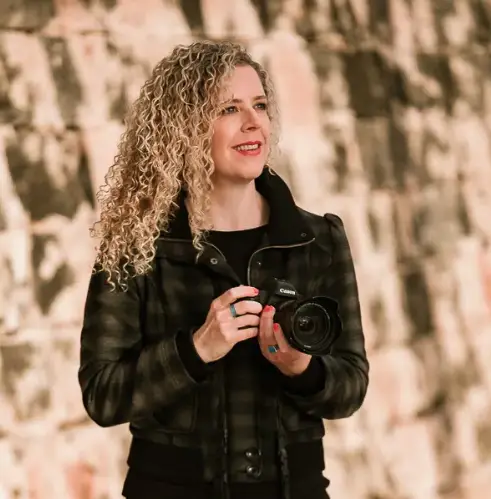
Bella wrote ‘Why 2026 is the year to visit Uganda for the ultimate gorilla encounter’ for the travel section of The Independent, a major international news outlet with a large digital readership. The article explores the conservation success story behind mountain gorilla tourism in Uganda and examines how carefully managed wildlife tourism has helped bring one of the world’s most endangered species back from the brink. Bella then shared a blog post about gorilla trekking on her website Passport & Pixels, and a second piece for Luxury Travel Australia, further increasing the story’s reach.
This was a strong and well-researched piece by Bella Falk that successfully positions gorilla trekking in Uganda as more than a wildlife experience, but as a functioning conservation model supported by tourism, science, and community benefit. The storytelling is clear, informative, and grounded in credible field reporting, effectively linking visitor experiences to the broader systems that sustain endangered mountain gorilla populations. The article demonstrates solid reach and amplification through international travel publications and meaningful on-the-ground partnerships, strengthening both its credibility and conservation messaging. While the piece performs strongly across all criteria, it is most impactful in its ability to translate complex conservation systems into an accessible narrative for mainstream audiences, encouraging more informed and responsible travel decisions.
Judge’s comment

Catherine Marshall wrote ‘How gorilla tourism became a conservation success story’ for The Sydney Morning Herald and The Age, with a monthly readership of 1.75 million. The story coincided with the 30th anniversary of gorilla tourism in Uganda and sought to underscore the gains that have been made in that time and the appeal of Uganda as an attractive destination.
This was a compelling and well-researched piece by Catherine Marshall that effectively showcased the positive relationship between tourism and conservation in Uganda. The writer combined credible local sources, strong storytelling, and broad media reach to highlight an important conservation success story. While the piece relied largely on traditional media formats, its authentic representation of local perspectives, strong partnerships, and ability to reach large audiences contributed to a meaningful and influential body of work.
Judge’s comment
The ATTA® Emerging Changemaker Award recognises an organisation (NGO, organisation, or business) that is at the beginning of the journey and committed to having a positive impact on people and/or planet through an inspiring project or collective actions.
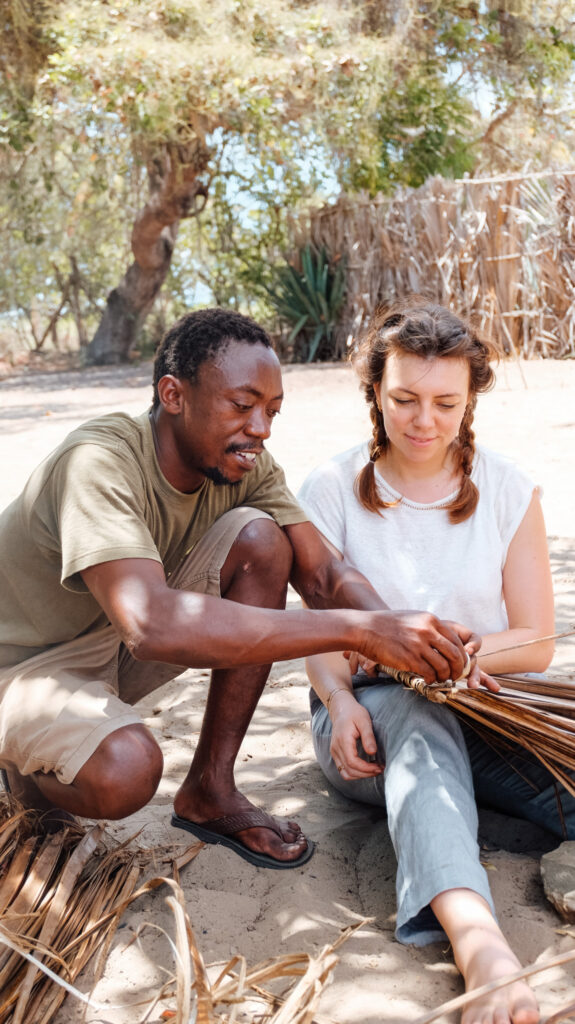
Travel4Purpose offer 40+ curated, immersive, community-led experiences across Kenya with personalised itineraries designed end-to-end, often blending bush to beach journeys and special occasion celebration trips for travellers who want to experience Kenya beyond the obvious. Experiences are co-created with local communities and led by local guides, artisans and experts. From canoe rides through mangrove forests to e-biking through tea farms and dance workshops with youth groups in urban settlements, every experience is rooted in real people, places and stories. Travel4Purpose works with carefully vetted accommodation partners who prioritise sustainability, including renewable energy, low-impact operations and sourcing local materials. At its core, Travel4Purpose is about shifting tourism from extraction to exchange, keeping value in local hands, protecting culture and ecosystems and showing Kenya authentically to travellers, beyond the tourist traps and overcrowded routes.
Travel4Purpose is a thoughtful and community-driven initiative that creates authentic tourism experiences rooted in local realities and culture. The strong partnership with local communities and commitment to sustainable tourism are clear strengths. Establishing more sustainable funding mechanisms could further strengthen the initiative’s long-term impact and resilience for both the community and environment.
Judge’s comment
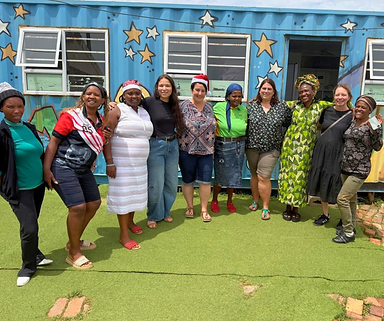
Amazing Africa is a destination management company that actively contributes to community upliftment through its nonprofit arm, NALA Afrika, which stands for Nurturing Access to Long-Lasting Amenities. Kerstin Bahnmueller and Mirjam Meyer founded the NPC in 2025. NALA Afrika supports community-led initiatives focused on improving access to education and creating opportunities for long-term development. Rather than approaching upliftment as a once-off effort, the focus is on consistent involvement and solutions that respond to real needs. This includes supporting existing initiatives and helping to create environments where communities can grow and operate independently over time. Through its position as a DMC, Amazing Africa connects travellers, partners, and funding to these initiatives in a way that is meaningful and responsible.
This is a meaningful and community-driven initiative addressing a critical need through ECD support in an under-resourced area. The founders of NALA Afrika demonstrate genuine passion and strong collaboration with local stakeholders and partners. As the initiative evolves, there is an opportunity to strengthen its long-term sustainability and innovation by creating deeper links between the community projects and Amazing Africa’s core tourism business.
Judge’s comment
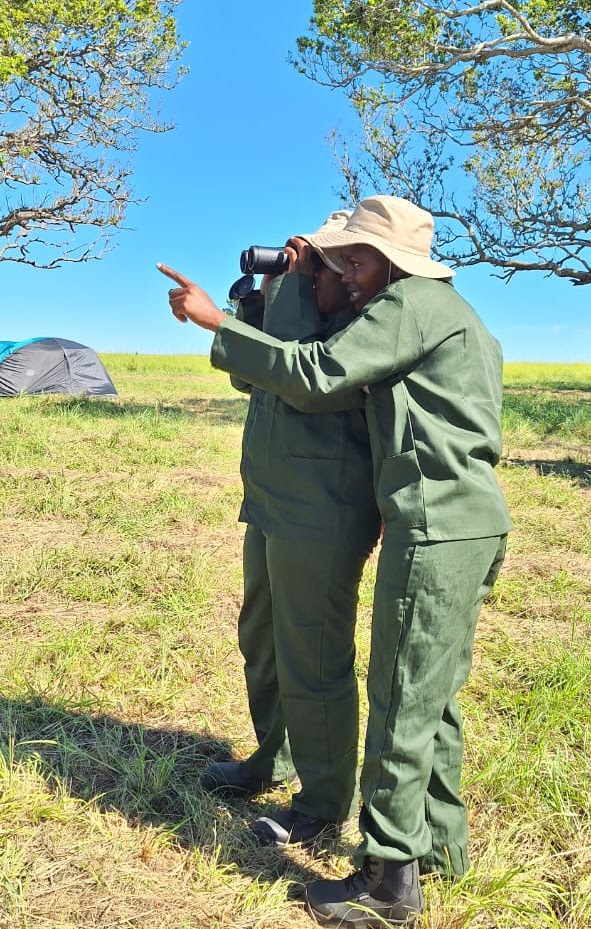
The Mkambati Conservation and Community NPC is a non-profit organisation dedicated to protecting the natural environment of the Mkambati Nature Reserve while uplifting the surrounding rural communities. Established as part of a broader conservation and tourism model, the organisation channels funding from conservation fees, tourism revenue, and donations into meaningful environmental and social impact initiatives. Its core mandate is twofold: to support conservation efforts within the reserve and to drive sustainable community development among the local mPondo people, who are the landowners through the
Mkambati Land Trust. Funds managed by the NPC are directed exclusively toward projects such as habitat protection, anti-poaching initiatives, and environmental management, alongside community focused programmes including healthcare, education, and job creation.
The Mkambati Conservation and Community is a highly impactful and thoughtful initiative that balances community empowerment with meaningful conservation. The strong inclusion of local communities, innovative approaches such as the all-female ranger unit, and commitment to wilderness regeneration demonstrate a long-term vision that is both sustainable and inspiring.
Judge’s comment